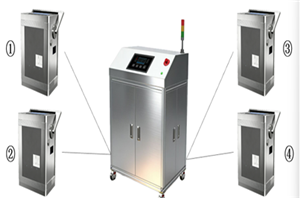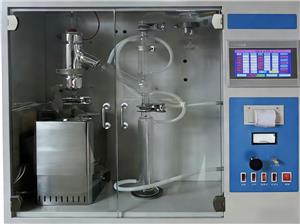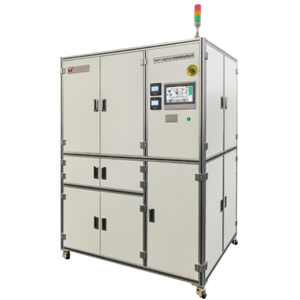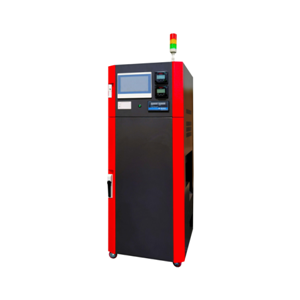
What is a high-frequency reciprocating testing machine for evaluating diesel lubricity, and what is its core function
The high-frequency reciprocating testing machine (HFRR) for diesel lubricity evaluation is a specialized testing equipment mainly used to evaluate the lubrication performance of diesel fuel on high-pressure fuel injection systems. This equipment quantifies its lubricity by simulating the actual friction conditions of diesel in the engine, based on international common methods such as Chinese national standards ASTM D 6079(such as ISO 12156).
Simulate real working conditions: Use high-frequency reciprocating motion (usually 60 Hz, stroke 1 mm) to simulate the boundary lubrication environment in a high-pressure oil pump, and measure the friction and wear amount through a standardized contact mode between steel balls and steel plates.
Accurate control and measurement: Integrated constant temperature oil bath (controlling temperature to 60 ± 2 ℃), precision load system (200g ± 1 load), and grating ruler displacement control (accuracy ± 0.02mm) to ensure stable test conditions.